Tan lines steal
all the attention
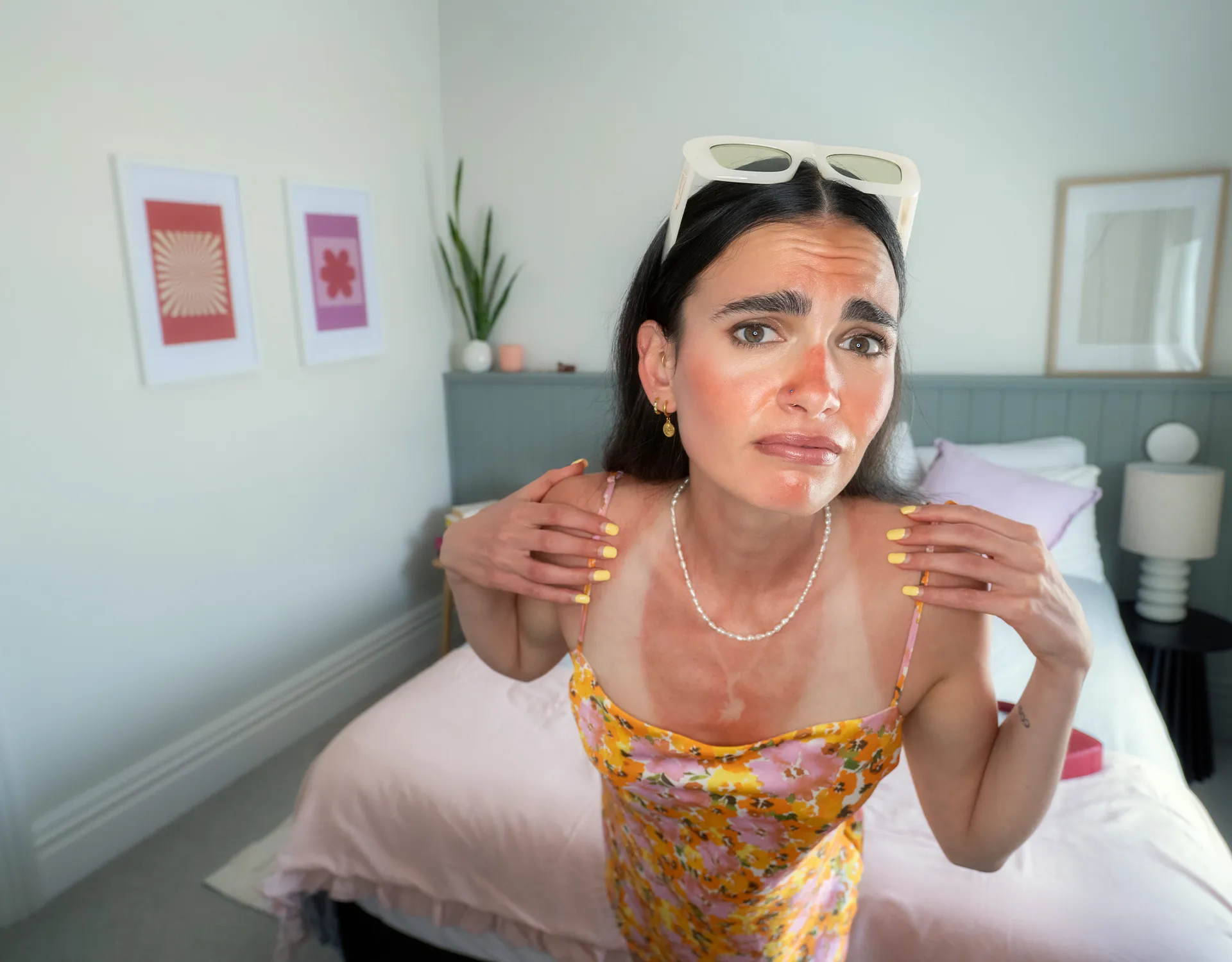
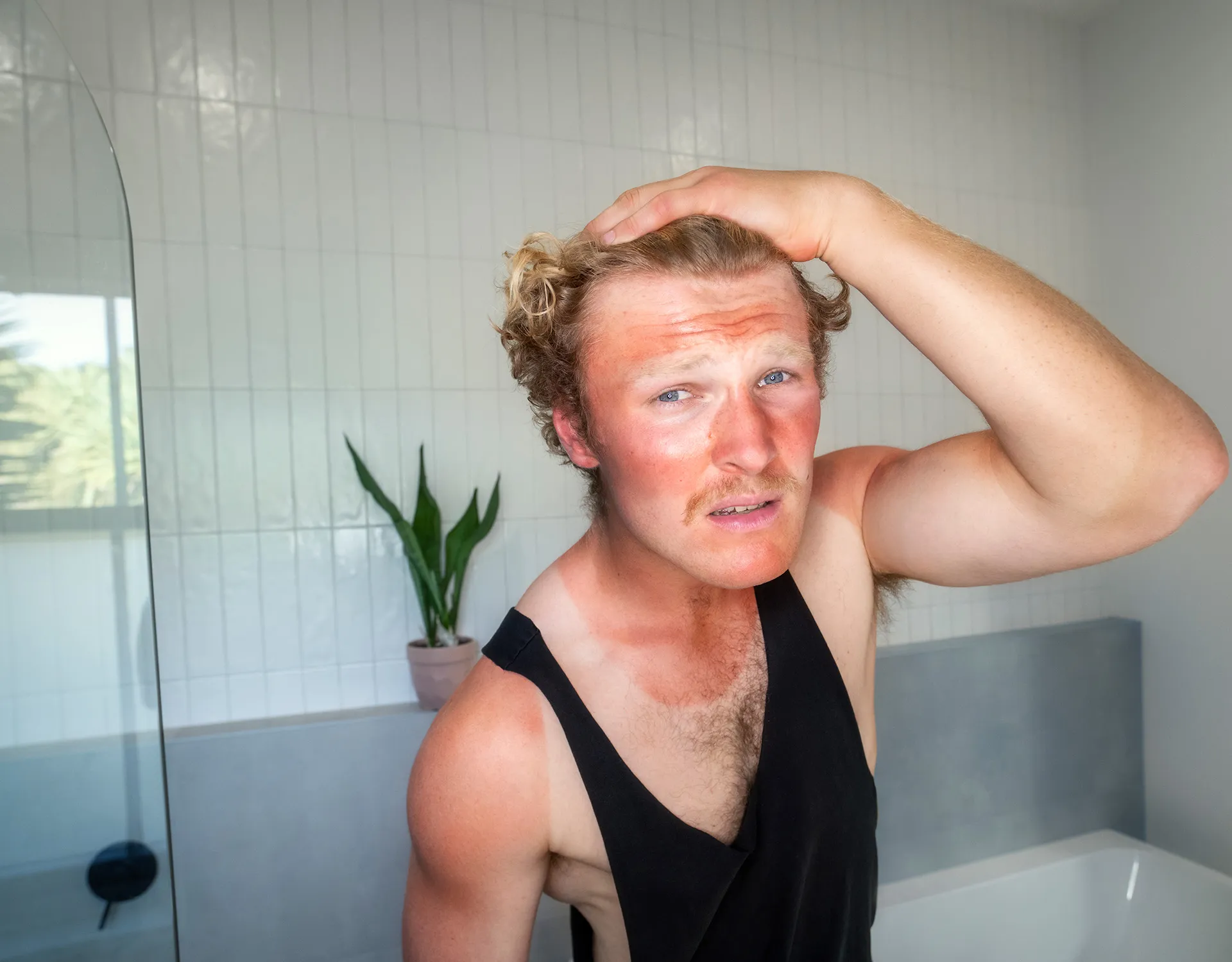
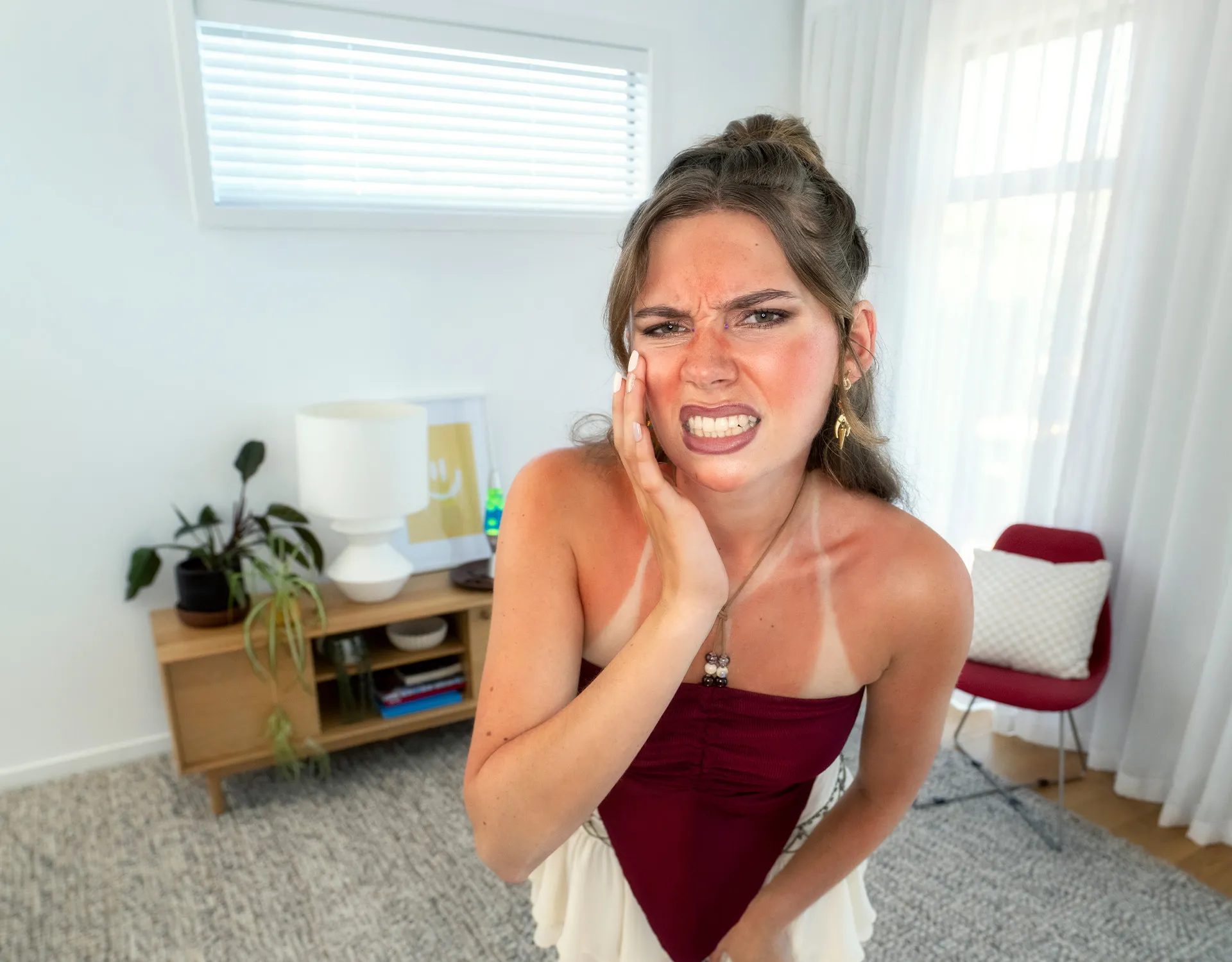
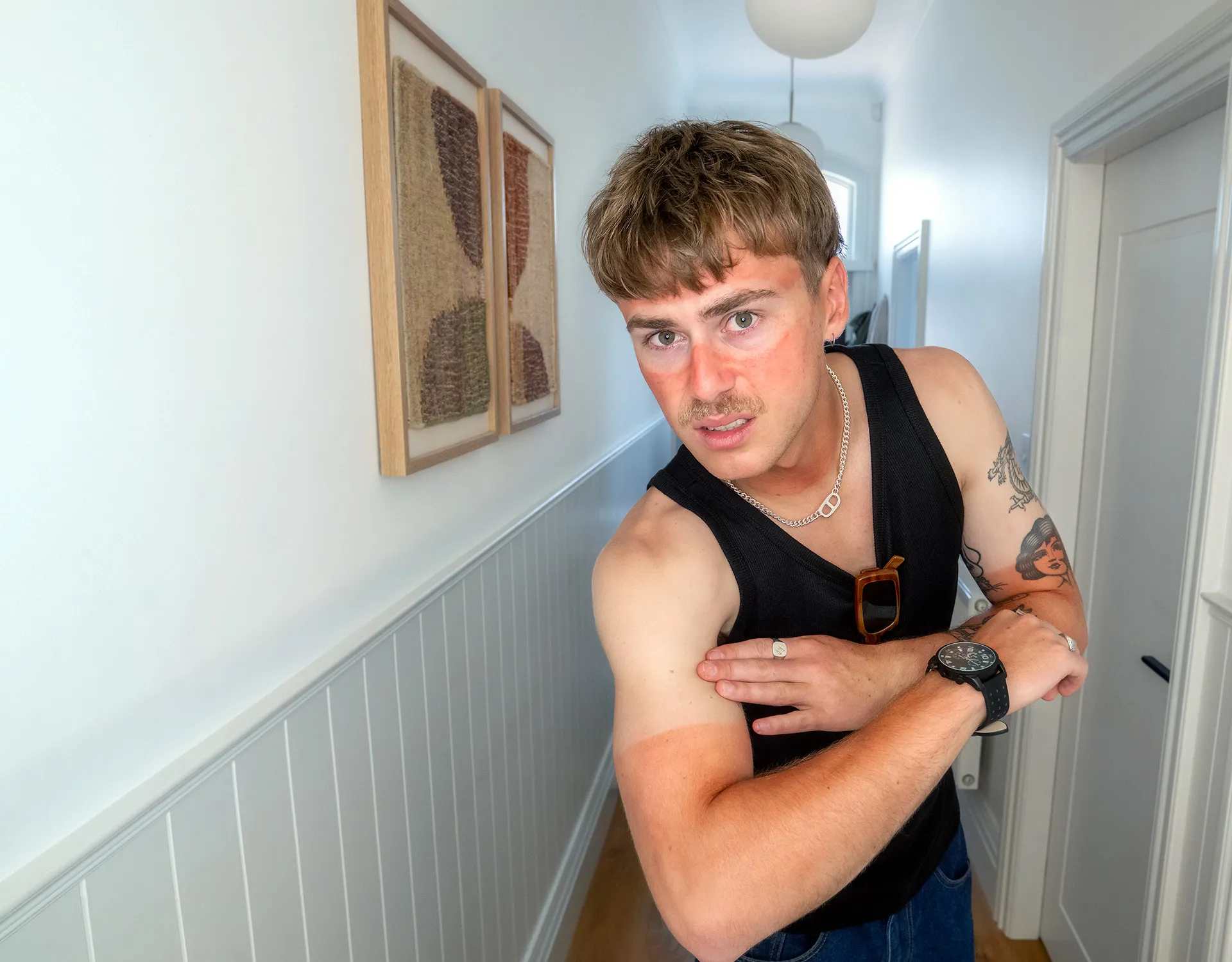
Tan lines take the shine off your
clothes, smile, and personality.
It’s time to end this trend. Skin cancer is the most common cancer in Aotearoa New Zealand. But it’s also the most preventable. You need to protect your skin and eyes from the sun's damaging ultraviolet (UV) radiation, because there’s no such thing as a safe tan.

Slop on
sunscreen
Slop on plenty of broad-spectrum, water-resistant sunscreen of at least SPF 30. An average-sized adult needs a teaspoon of sunscreen for their head and neck, each limb and for the front and the back of the body. Apply 20 minutes before going outside and reapply every two hours, or after being in water or sweating.


Check yourself.
Just like a fit check, make checking your skin a habit.
Watch for any spot, freckle or mole that is new or changing. This includes changes in colour, shape or size, anything that looks different from the others, or a spot that becomes sore, itchy, bleeds, or rises and grows quickly.
Melanoma can spread quickly, so see a health professional as soon as you notice something unusual.
Protect yourself.
UV levels are damaging from September to April, especially between 10 am – 4 pm. It can’t be seen or felt and can be harmful even on cool and cloudy days. If the UV index is 3 or above your skin can be damaged, so protection is required.
Here are three helpful ways to know when UV index levels are 3 or above

FAQs
Is there a ‘safe tan’?
There is no safe way to tan with UV exposure - from the sun or sunbeds. A sun tan means your skin has been damaged by UV radiation and could increase your risk of developing skin cancer later in life. Having a sun tan is not protective against skin cancer or melanoma. In fact, a tan is DNA damage, not a sign of health. UV damage builds up over your lifetime and early-life exposure matters most.
How many people die from skin cancer in Aotearoa New Zealand?
More New Zealanders die from melanoma than die on our roads. In 2022 there were 535 skin cancer deaths (317 melanoma, 218 non-melanoma).
How common is skin cancer in Aotearoa New Zealand?
Skin cancer is the most common cancer in Aotearoa New Zealand, with eight out of every 10 cancers diagnosed as skin cancer. Each year approximately 100,000 non-melanoma skin cancers are diagnosed.
Why is the Cancer Society is calling for more action on skin cancer prevention?
Skin cancer affects two in three New Zealanders at some point in their lives. Excessive exposure to ultraviolet radiation (UVR) is the main modifiable risk factor for skin cancer, making it one of the country’s most common and preventable cancers.
What are the healthcare costs of skin cancer?
The estimated annual healthcare cost of skin cancer (in NZ) is $454.6 million. By 2049, the total cost of skin cancer treatment is expected to grow to $689.7 million. That means $314.02 million for non-melanoma & $140.56 million for melanoma.
What are the risk factors around UV exposure and tanning?
Most skin cancers are caused by too much exposure to ultraviolet (UV) radiation from the sun. In NZ, UV levels are most damaging from September to April, especially between 10 am – 4 pm. UV damage accumulates, so your risk increases with every exposure. UVR can’t be seen or felt and can be harmful when the UV index is three and above even on cool and cloudy days. Tanning via artificial sources like sunbeds is not safe. They can expose you to higher levels of UV and increase your risk of skin cancer and melanoma.
Why should young people care?
Protecting your skin from the sun at any age, but especially when you’re young, is important because UV damage builds up over your lifetime, and early-life exposure matters most. Childhood exposure is a critical risk factor. The Health (Protection) Amendment Act 2016 bans people under the age of 18 from using commercial sunbeds in NZ.
How do I protect myself?
To protect your skin from damaging Ultraviolet Radiation (UVR) use a combination of protective behaviours when the UV Index reaches three and above. This typically occurs from September to April between 10 am and 4 pm in Aotearoa New Zealand. Slip on clothing, Slip into shade, Slop on sunscreen, Slap on a hat, Wrap on sunglasses.
